Educational environments are uniquely demanding spaces. Schools operate on tight schedules, serve large populations daily, and place a high priority on student health, safety, and well-being. From classrooms and hallways to cafeterias and athletic facilities, cleanliness plays an essential role in supporting learning, staff performance, and community confidence.
Within the school industry, maintaining clean and well-managed facilities is not simply a matter of appearance. It contributes to healthier environments, smoother daily operations, and positive perceptions among parents, educators, and administrators.
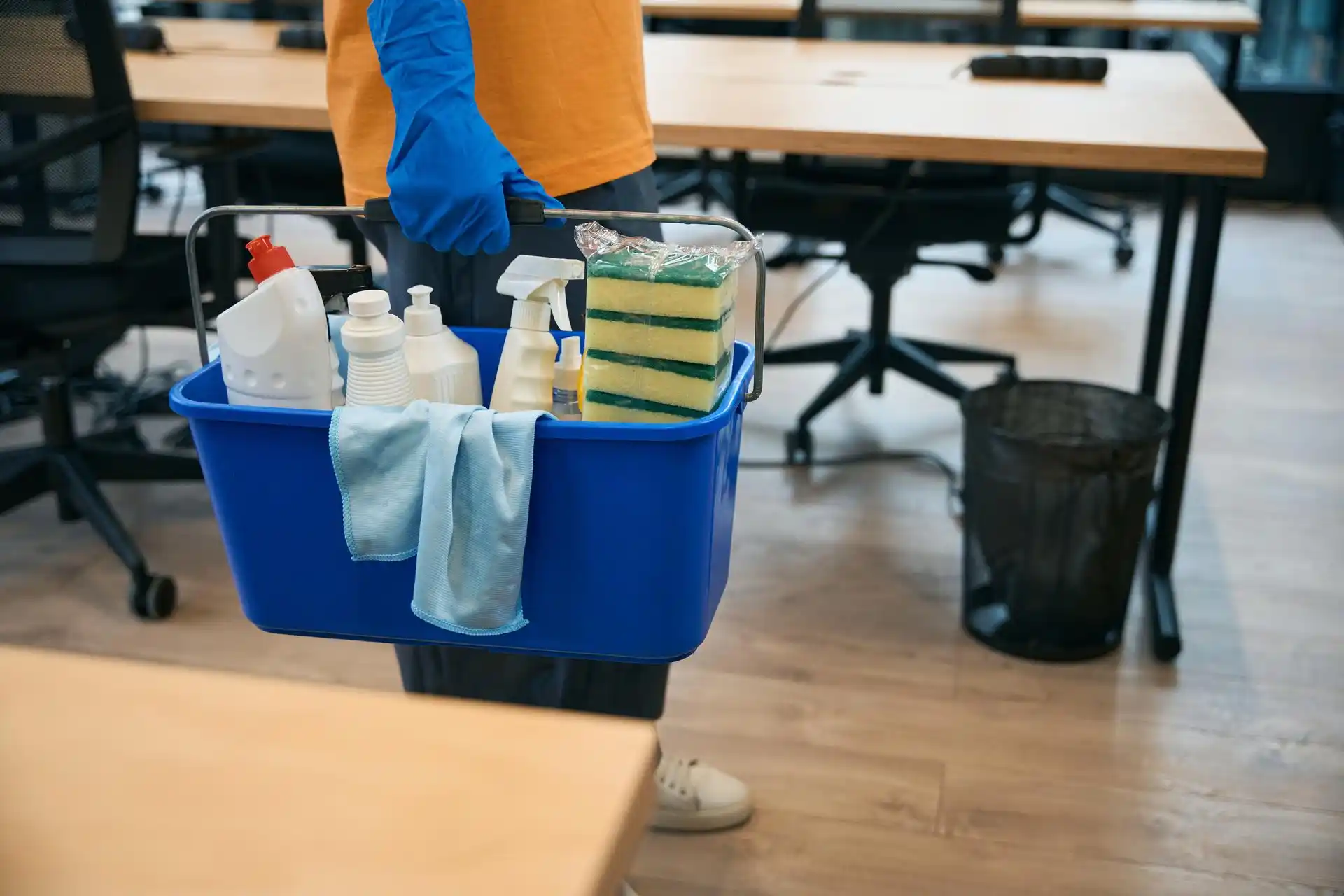
Cleanliness in schools directly supports safe and functional learning environments. Well-maintained classrooms, restrooms, and shared spaces help reduce the spread of illness, support student attendance, and create conditions where teachers and staff can focus on education rather than facility concerns.
In the school industry, facility conditions also influence trust. Parents, faculty, and district stakeholders often view cleanliness as a reflection of overall care, organization, and professionalism. Consistent upkeep helps schools meet regulatory expectations, inspection standards, and community expectations throughout the academic year.
Schools face operational challenges that differ significantly from other facilities:
Understanding these realities is critical to supporting school operations without disrupting learning activities.

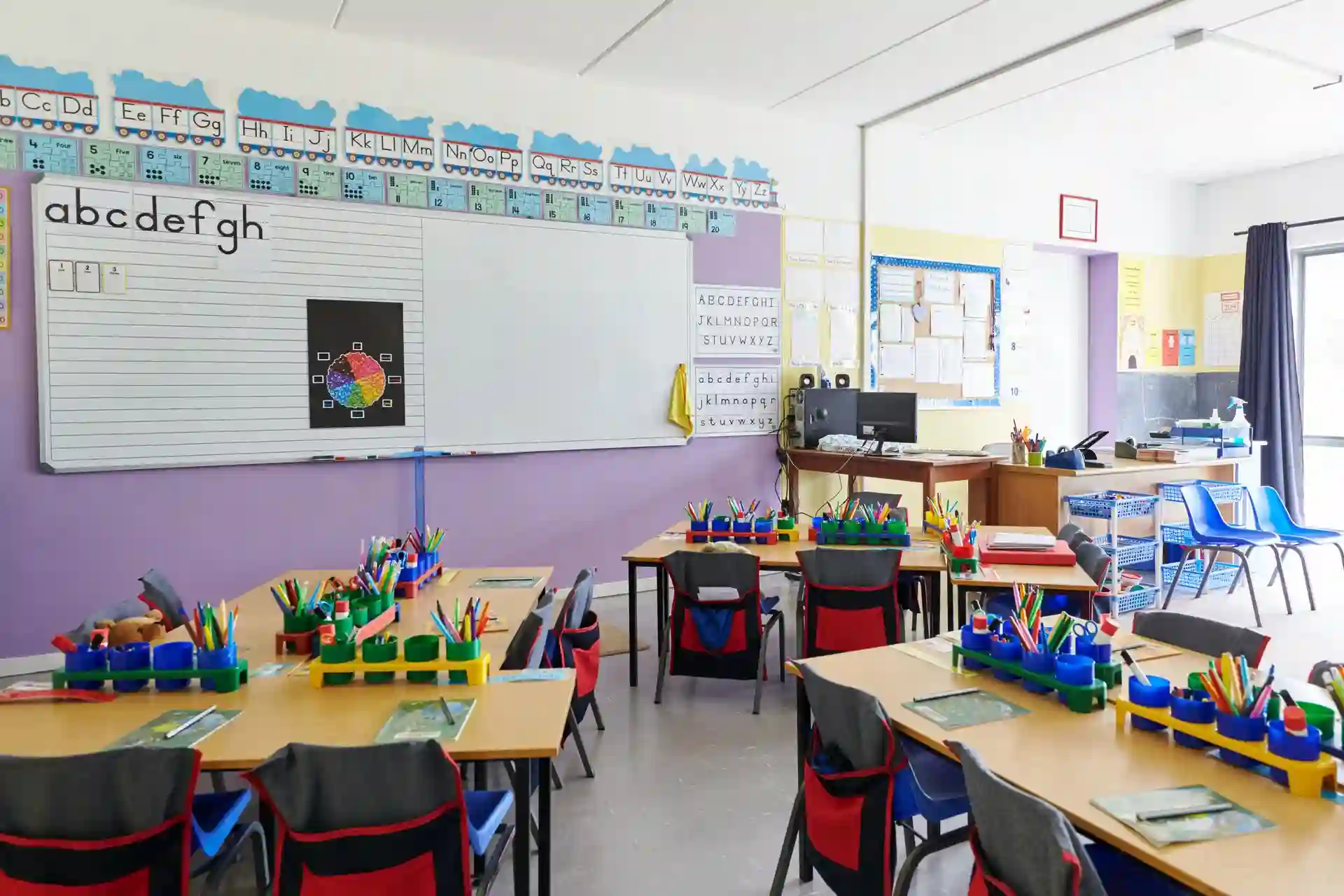
Schools benefit from facility support that aligns with academic schedules, safety priorities, and daily routines. This includes working around instructional hours, maintaining discretion during school activities, and adapting to seasonal shifts such as testing periods, sporting events, and school breaks.
Effective support within the school industry requires coordination with administrators, facilities teams, and health personnel to ensure environments remain clean, safe, and ready for use throughout the year.
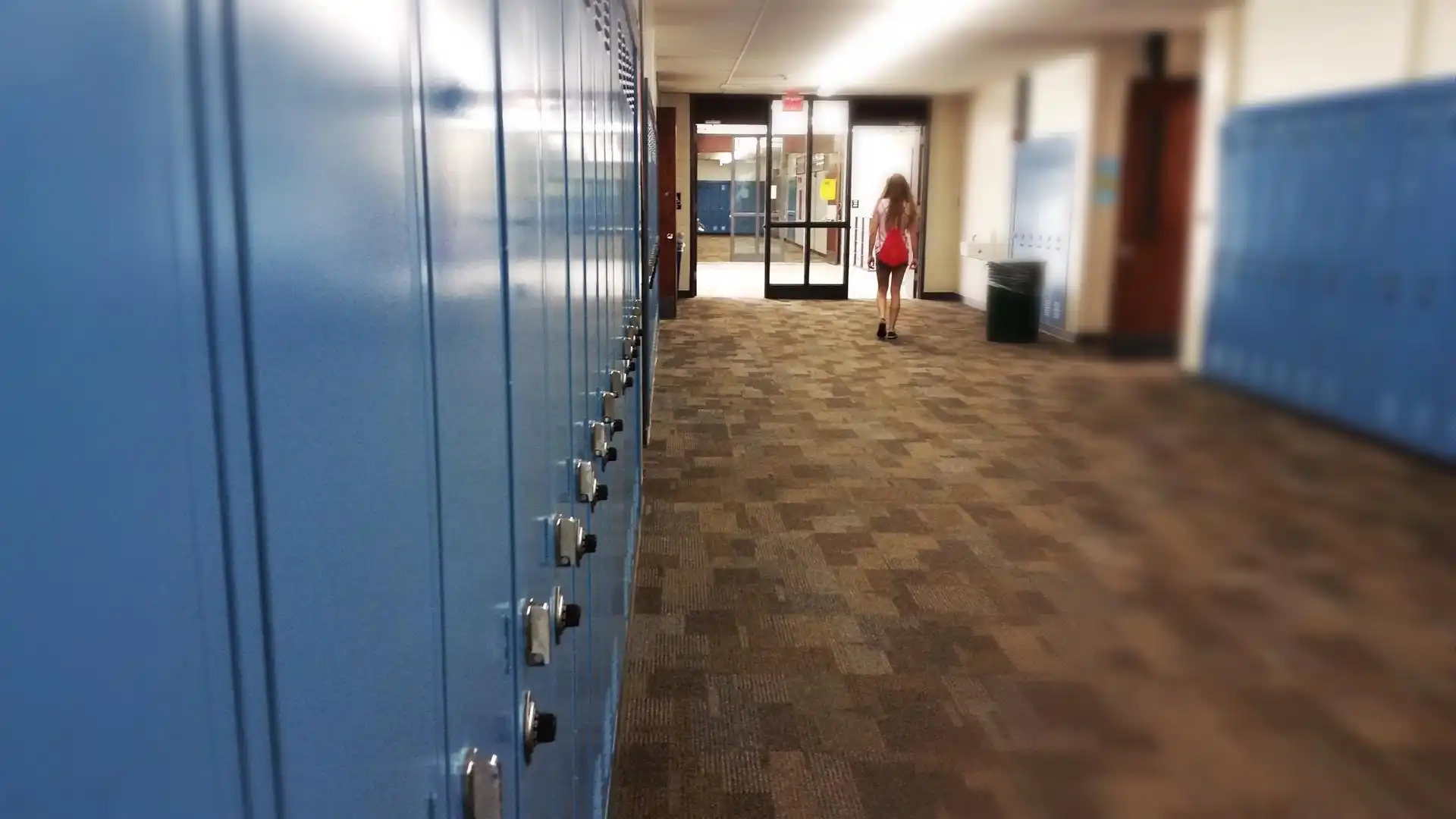
Our experience within the school industry spans a range of educational environments, including:
Each setting presents distinct operational considerations, from traffic patterns to age-specific safety needs.
Educational institutions value reliability, consistency, and accountability. Industry certifications, safety standards, and experience operating within active school environments help support long-term partnerships and confidence among school leadership.
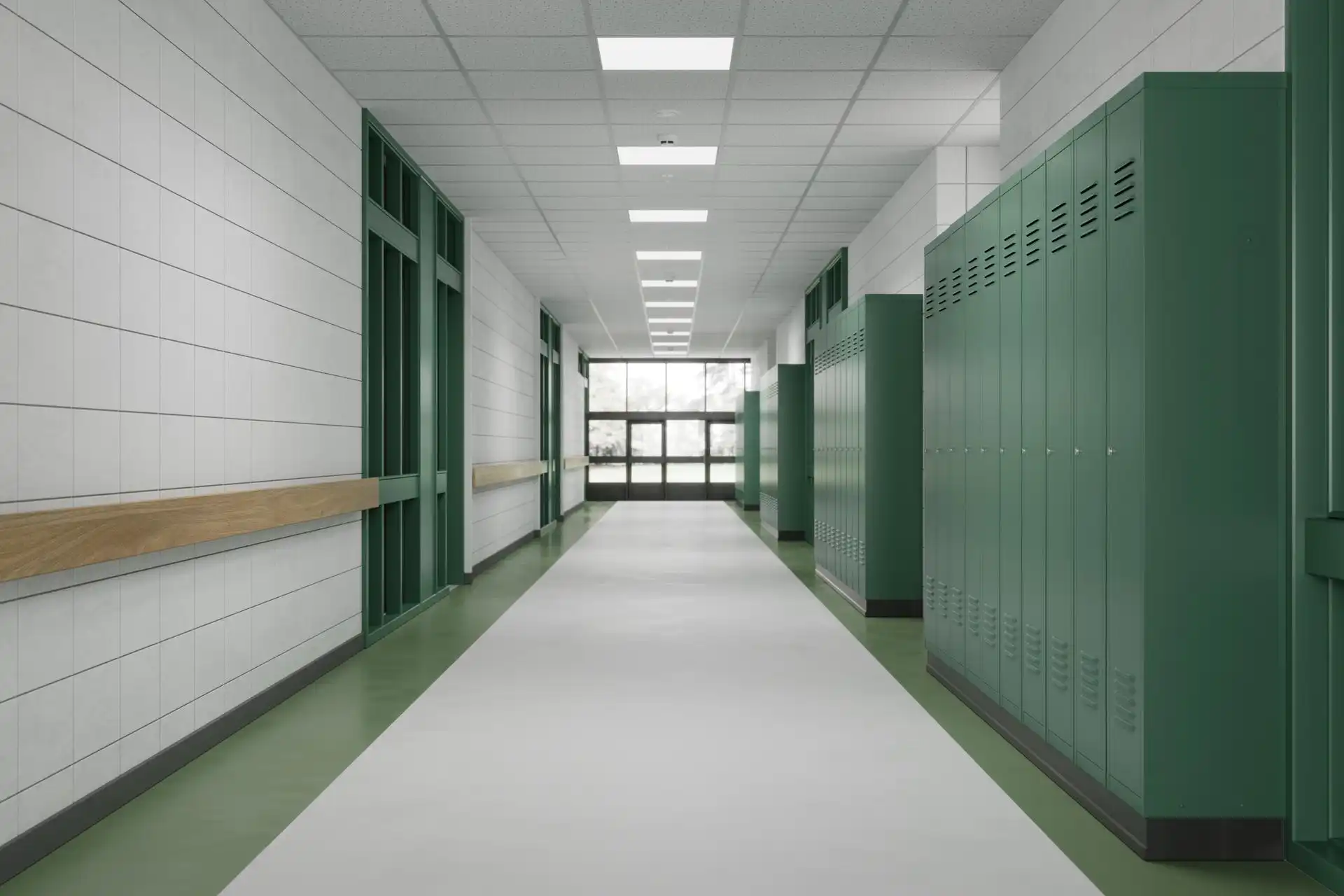
To learn how educational facilities are supported on an ongoing basis, visit our Professional School Cleaning Services page for more details.
Yes. Schools often require discreet facility support during the day to maintain restrooms and high-traffic areas without disrupting learning.
Yes. Educational organizations with multiple buildings benefit from consistent standards and coordinated facility support across locations.