If you’re responsible for maintaining a clean and compliant medical facility, having a structured medical office cleaning checklist is essential. Clinic managers, healthcare administrators, and facility managers are not just responsible for appearance. They are responsible for infection control, regulatory compliance, and patient safety.
A medical office cleaning checklist provides a clear framework for maintaining cleanliness standards across your facility. Without a structured approach, it becomes easy to miss critical areas, leading to increased risk of contamination and compliance issues.
This guide breaks down daily, weekly, and monthly cleaning requirements used in professional healthcare environments so you can maintain consistency, reduce risk, and ensure your facility meets required standards.
What Is a Medical Office Cleaning Checklist?
A medical office cleaning checklist is a structured cleaning schedule that outlines specific tasks required to maintain hygiene and safety in healthcare environments. Unlike standard office cleaning, it focuses heavily on infection control, proper disinfection, and compliance with healthcare regulations.
These checklists are used by clinics, medical offices, and healthcare facilities to ensure cleaning tasks are performed consistently and thoroughly. They typically break down responsibilities into daily, weekly, and monthly routines, making it easier to manage cleaning standards across different areas of a facility.
By following a defined checklist, healthcare environments can maintain compliance, reduce the spread of contaminants, and ensure a safe experience for both patients and staff.
Why Medical Cleaning Checklists Are Critical for Healthcare Facilities
Healthcare environments carry a higher risk of contamination due to constant patient interaction and exposure to bacteria and viruses. Without a structured cleaning system, these risks increase significantly.
Medical cleaning checklists help reduce the spread of healthcare-associated infections (HAIs) and ensure facilities remain compliant with CDC and OSHA requirements. They also protect facilities from legal and operational risks associated with improper cleaning practices.
A structured checklist helps you:
- Prevent cross-contamination
- Maintain regulatory compliance
- Protect patients and staff
- Ensure consistent cleaning standards across all areas of the facility
Who Is Responsible for Medical Office Cleaning?
Responsibility for medical office cleaning typically falls on clinic administrators, facility managers, or designated staff members. In some cases, internal teams handle routine cleaning tasks, while more complex disinfection and compliance requirements are outsourced.
In many healthcare facilities, professional cleaning services are used to ensure consistency, compliance, and proper disinfection protocols. This helps reduce the burden on internal staff while ensuring that cleaning standards are maintained at a professional level.
Daily Medical Office Cleaning Checklist
Daily cleaning focuses on high-touch areas and patient-facing environments where contamination risk is highest.
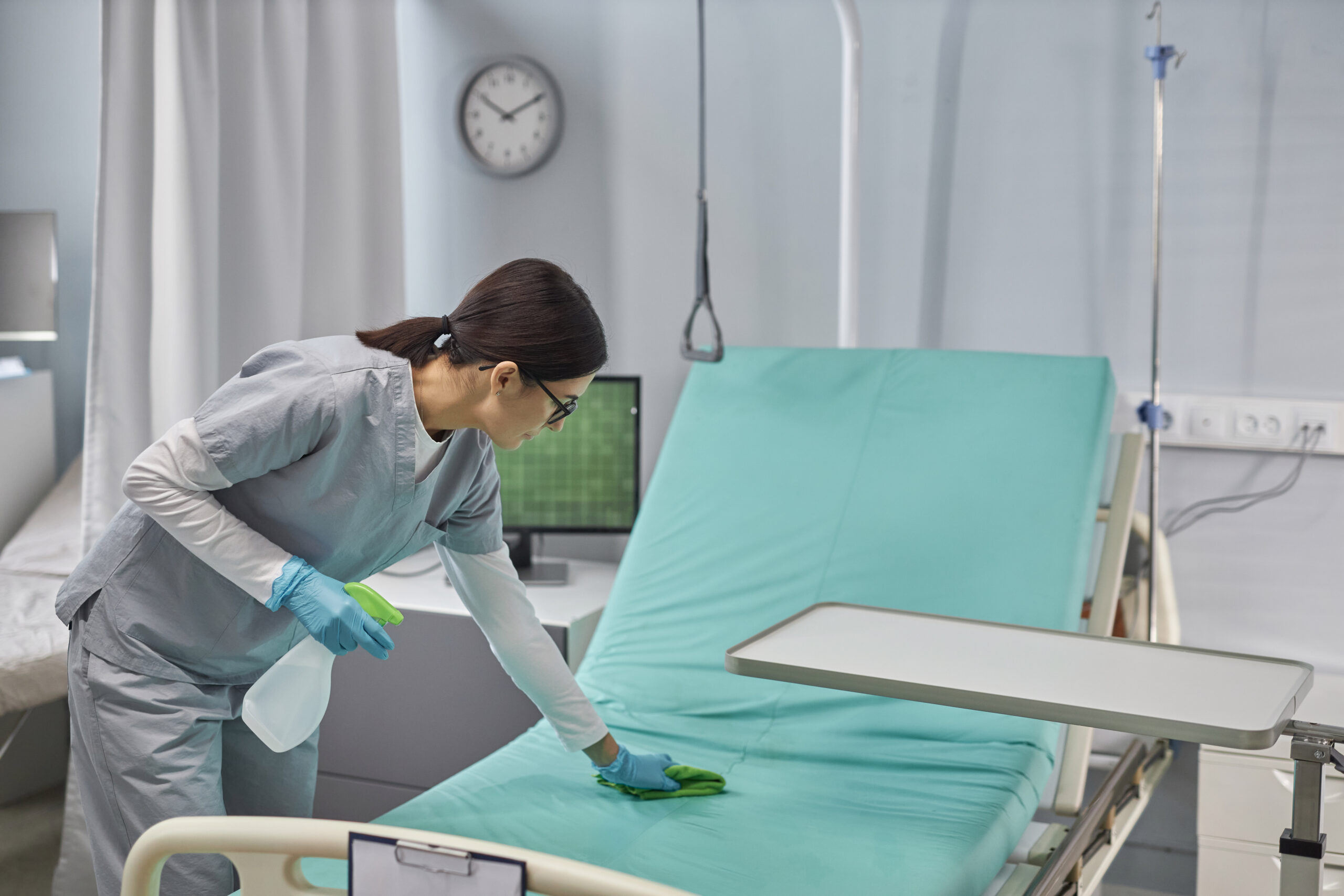
- Disinfect exam tables and chairs
- Clean and sanitize high-touch surfaces such as door handles and switches
- Wipe down medical equipment
- Sanitize reception and waiting areas
- Clean and disinfect restrooms
- Empty trash and biohazard waste if applicable
- Mop floors with disinfectant
- Clean staff workstations
Weekly Medical Office Cleaning Checklist
Weekly cleaning ensures deeper sanitation and maintenance.
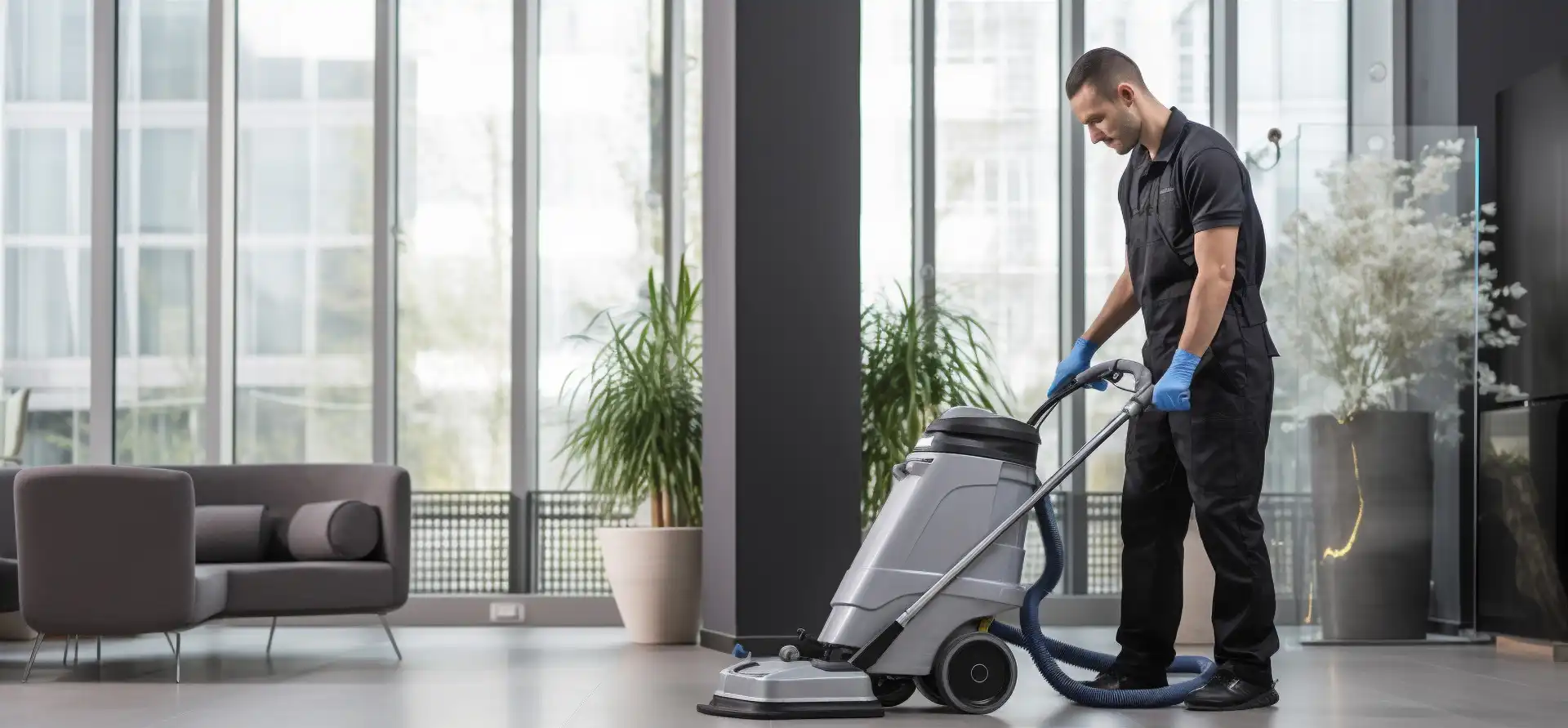
- Deep clean floors through scrubbing or polishing
- Disinfect walls, baseboards, and doors
- Clean vents and air returns
- Sanitize storage areas
- Clean inside cabinets and drawers
- Wash windows and glass surfaces
- Inspect cleaning supplies and restock
Monthly Medical Office Cleaning Checklist
Monthly cleaning supports long-term hygiene and compliance.
- Deep clean carpets or flooring
- Disinfect ceilings and light fixtures
- Inspect HVAC systems
- Clean behind and under the equipment
- Review infection control protocols
- Conduct a full facility sanitation audit
High-Risk Areas That Require Extra Attention
Certain areas within a medical facility carry a higher risk of contamination and require more frequent and detailed cleaning. Exam and treatment rooms, surgical or procedure areas, waiting rooms, restrooms, and high-touch surfaces are all critical zones.
These areas are frequently exposed to bacteria and viruses, making proper disinfection essential. Failure to maintain these areas can lead to increased infection risk and potential compliance issues. Prioritizing these zones ensures better infection control and a safer environment for both patients and staff.
Common Medical Cleaning Mistakes (and How to Avoid Them)
Common mistakes in medical cleaning can lead to serious consequences if not addressed. Using incorrect disinfectants can reduce effectiveness, while skipping high-touch areas increases the risk of contamination. Inconsistent cleaning schedules create gaps in sanitation, and lack of staff training can result in improper procedures. Improper waste handling is another major issue that can lead to compliance violations.
Avoiding these mistakes requires proper training, structured cleaning protocols, and consistent oversight.
Should You Hire a Professional Medical Cleaning Service?
Maintaining a medical facility involves strict compliance requirements and a high level of responsibility. Improper cleaning can lead to compliance violations, increased infection risk, and operational issues.
Many healthcare facilities choose professional medical cleaning services to ensure proper disinfection, compliance, and reliability. Trained professionals understand healthcare standards, follow structured protocols, and provide consistent service that reduces risk and improves overall facility performance.
Medical Facility Cleaning Services in Denver
Healthcare facilities require a higher level of care, and working with a specialized provider ensures your environment is handled properly. From infection control protocols to consistent service delivery, the right team helps reduce risk and improve operational efficiency.
If you’re evaluating providers, learn more about our medical facility cleaning services in Denver and how we support healthcare facilities with trained teams, structured processes, and reliable communication.
Frequently Asked Questions
What is included in a medical office cleaning checklist?
Daily, weekly, and monthly tasks covering disinfection, sanitation, and maintenance.
How often should a medical office be cleaned?
Daily cleaning is required, with deeper cleaning performed weekly and monthly.
What disinfectants are used in medical cleaning?
EPA-approved, hospital-grade disinfectants are typically used.
Do medical offices require special cleaning standards?
Yes, medical facilities must follow CDC and OSHA guidelines.
Who is responsible for cleaning a medical office?
Facility managers or professional cleaning providers typically oversee cleaning operations.
Conclusion
A structured medical office cleaning checklist is essential for maintaining safety, compliance, and consistency in healthcare environments.
By following daily, weekly, and monthly cleaning routines, facilities can reduce risk, improve infection control, and create a safer environment for patients and staff.
For healthcare facilities looking to ensure reliability and compliance, working with experienced professionals can provide the structure and consistency needed to maintain high standards.